Contribution by Carlos Arguedas-Matarrita and Fiorella Lizano-Sánchez, Universidad Estatal a Distancia (UNED), Costa Rica
In 2026, Costa Rica took an important step toward expanding access to experimental STEM education with the enactment of Law No. 10888, “Incentives for the Use of Remote Laboratories at Public Universities to Strengthen Education in Costa Rica.” The legislation establishes a national framework to promote the use of remote laboratories in education, creating new opportunities for students and teachers to engage in real-world scientific experimentation regardless of their geographical location. The law, approved by Costa Rica's Legislative Assembly and published in April 2026, recognizes remote laboratories as an educational resource for strengthening science, technology, engineering, and mathematics (STEM) education. It encourages collaboration between public universities and educational institutions, supporting the integration of remote experimentation into teaching and learning.
Making Experimental Learning More Accessible
For many schools, providing students with opportunities to conduct scientific experiments remains challenging. Limited laboratory infrastructure, geographical distances, and socioeconomic differences can restrict access to practical learning experiences, particularly in rural and underserved communities. Remote laboratories offer an opportunity to address some of these challenges. By enabling students to access and operate real experimental equipment over the internet, they make it possible to engage in authentic experimentation without being physically present in a laboratory. Costa Rica's new legislation recognizes this potential and promotes the use of remote laboratories as a complement to traditional science education. Its objectives include expanding access to experimental resources, strengthening STEM competencies, and encouraging students to pursue further education and careers in scientific and technical fields. The initiative is particularly significant because it moves the discussion of remote laboratories beyond individual university projects and establishes a framework for their wider use within the national education system.
Building on UNED's Experience in Remote Experimentation
A central contributor to this development is the Remote Experimentation Laboratory of Universidad Estatal a Distancia (UNED), which has developed expertise and technological infrastructure for remote experimentation. Building on this experience, UNED will play a leading role in implementing the initiative and supporting the integration of remote laboratories into educational practice. The project aims not only to provide access to experimental equipment but also to support teachers in incorporating remote experimentation into their lessons. This includes the development of suitable educational materials and instructional approaches that allow students to benefit from these technologies. Such pedagogical support is essential to ensuring that remote laboratories become meaningful learning environments rather than simply additional technological resources.
Pilot Implementation in Costa Rican Schools
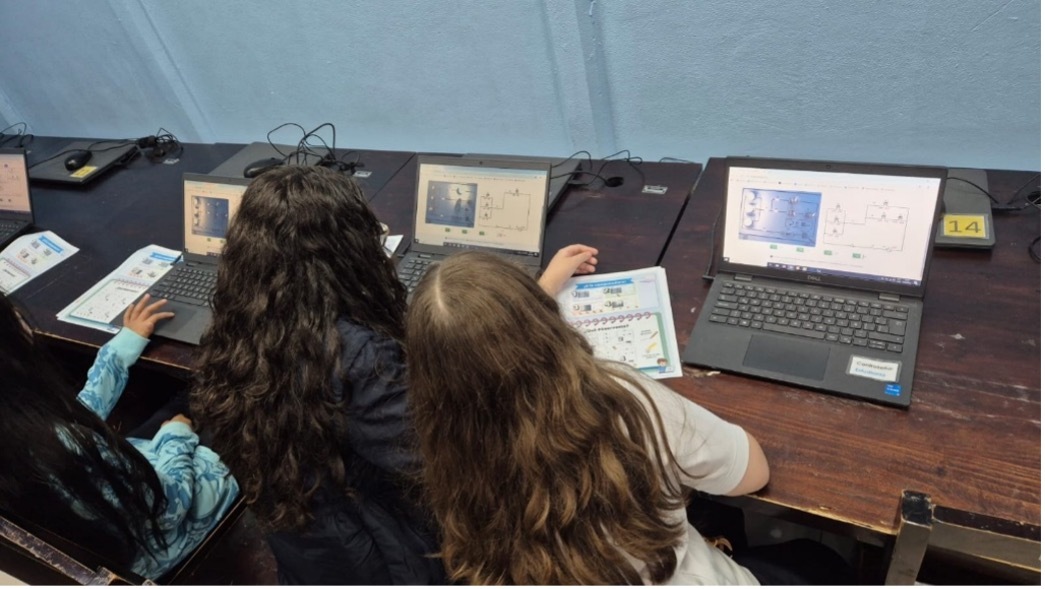
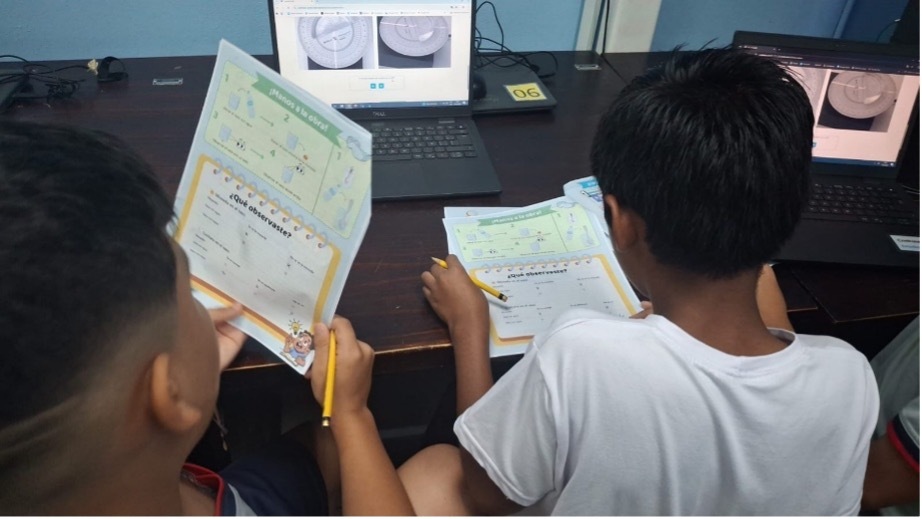
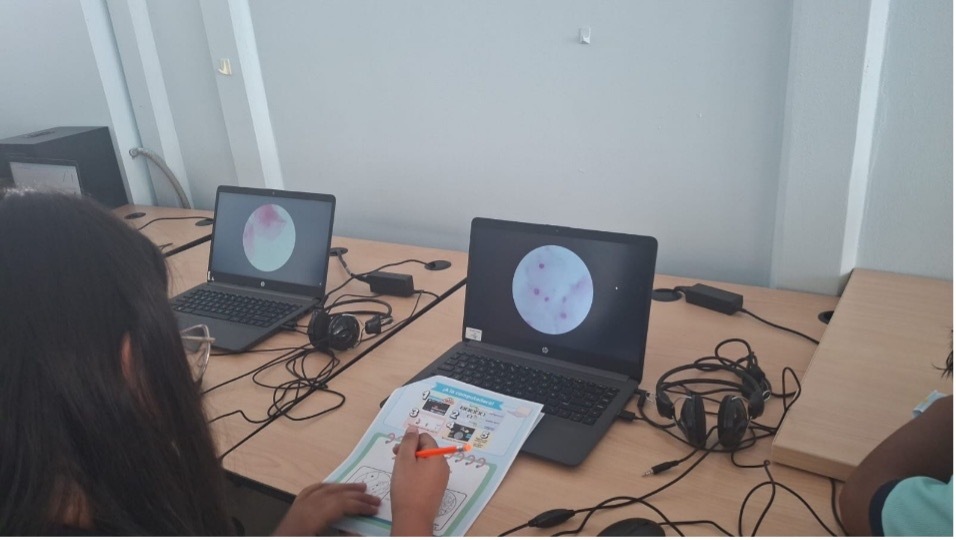
An important step toward implementation has already been taken through a pilot initiative involving educational institutions within the Western Regional Education Directorate of Costa Rica's Ministry of Public Education (MEP), as well as the La Casona Indigenous Academic School, located in the indigenous territory of San Vito de Coto Brus. The pilot was developed through collaboration between the Ministry of Public Education and the Experimenta+ project, supported by funding from the Central American Higher Education Council (CSUCA). During this phase, teaching materials were designed and adapted to facilitate the integration of remote laboratories into classroom activities. Particular attention was given to supporting teachers in guiding students through experimental activities and making the technology accessible within different educational contexts. According to the project team, the experiences demonstrated the potential of remote laboratories to expand access to practical STEM education, including in communities where conventional laboratory infrastructure may be difficult to provide. The participation of schools in different geographical and educational settings also offered opportunities to explore how remote experimentation can support more inclusive approaches to science education.
A Development of International Relevance
Costa Rica's initiative represents a noteworthy development for the international remote laboratory community. While remote laboratories have been used in higher education and schools for many years, their recognition within national legislation provides an example of how these technologies can be incorporated into broader educational strategies. The initiative also highlights the importance of collaboration between universities, schools, educational authorities, and research projects. Making remote laboratories available is only one part of the process; their successful integration requires teacher preparation, appropriate instructional materials, reliable technological infrastructure, and continued evaluation of educational outcomes.
For the International Association of Online Engineering (IAOE) and its international community, this development illustrates the growing recognition of remote experimentation as a means of expanding access to authentic scientific learning. The experiences from Costa Rica may provide valuable insights for other countries and institutions interested in strengthening STEM education through remote and digitally supported experimental learning.
About the contribution
This article was contributed by Carlos Arguedas-Matarrita and Fiorella Lizano-Sánchez of Universidad Estatal a Distancia (UNED), Costa Rica, who are involved in research and development activities related to remote experimentation and its integration into education.
Further information: Costa Rican legislative text, File No. 24.038
 .
 .