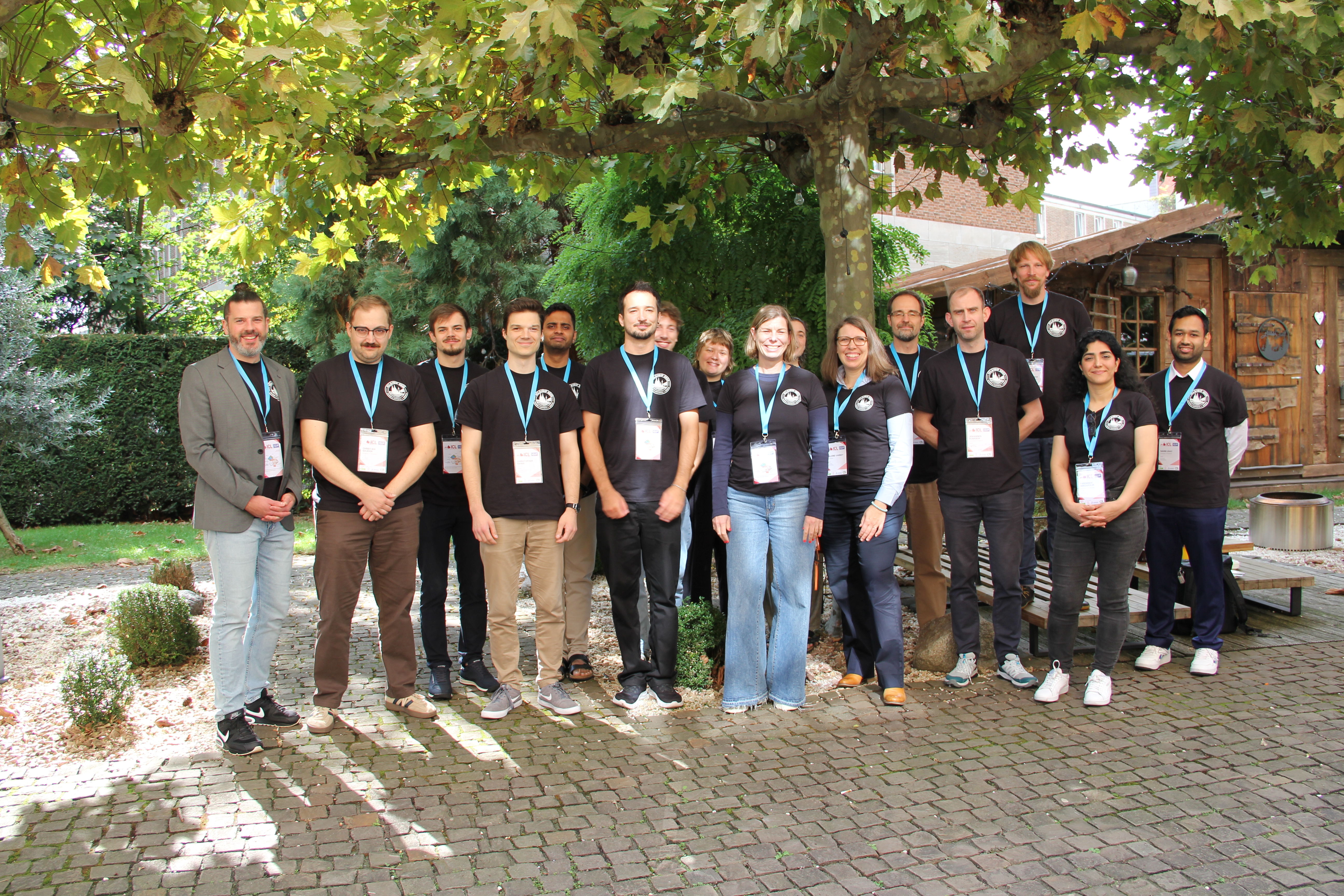
From September 30 to October 2, 2026, Cologne, Germany, welcomed the international engineering education community for the ICL & IGIP 2026 Conference. Held at the Wasserturm Hotel and locally co-hosted by TH Köln – University of Applied Sciences and the University of Wuppertal, the conference brought together researchers, educators, and practitioners from around the world to exchange ideas, present their latest research, and discuss the future of engineering and technology education. Under the theme “Reimagining Learning for a Digital Age,” the conference provided a platform for discussing how emerging technologies, changing educational expectations, and evolving professional requirements are reshaping education. With more than 600 submissions, over 400 contributing authors and co-authors, more than 240 reviewers, and over 260 presentations, workshops, and program activities, ICL & IGIP 2026 demonstrated the continued interest in and relevance of international exchange on engineering pedagogy and educational innovation. Approximately 260 participants, both on-site and online, represented more than 50 countries, reflecting the conference's international character.
A Scientific Program Addressing the Future of Engineering Education
The scientific program reflected the breadth of contemporary research in engineering and technology education. Artificial intelligence was among the most prominent themes, with contributions addressing AI-supported assessment, personalized learning, learning analytics, AI literacy, and the ethical challenges associated with generative AI in educational environments. At the same time, the conference maintained a strong focus on engineering pedagogy and practice-oriented learning. Sessions explored remote and virtual laboratories, immersive learning environments, simulations, robotics education, experiential and project-based learning, vocational education, and curriculum development. Other contributions addressed sustainability, future professional competencies, accessibility, and the institutional changes required to support meaningful digital transformation. The thematic special sessions were another highlight of the scientific program. They offered opportunities for focused discussions and exchange around particular research interests, complementing the regular paper sessions. Together, these sessions reflected the diversity of current developments in engineering education, from artificial intelligence and digital learning environments to engineering pedagogy, future skills, and educational transformation. Throughout the three days, participants shared research findings, presented practical educational innovations, and discussed both the opportunities and limitations of new technologies. The exchanges repeatedly highlighted that educational innovation requires more than the introduction of new tools. Careful instructional design, meaningful learning objectives, and consideration of the broader educational context remain essential.
Seven Keynotes Offering Perspectives Beyond Technology
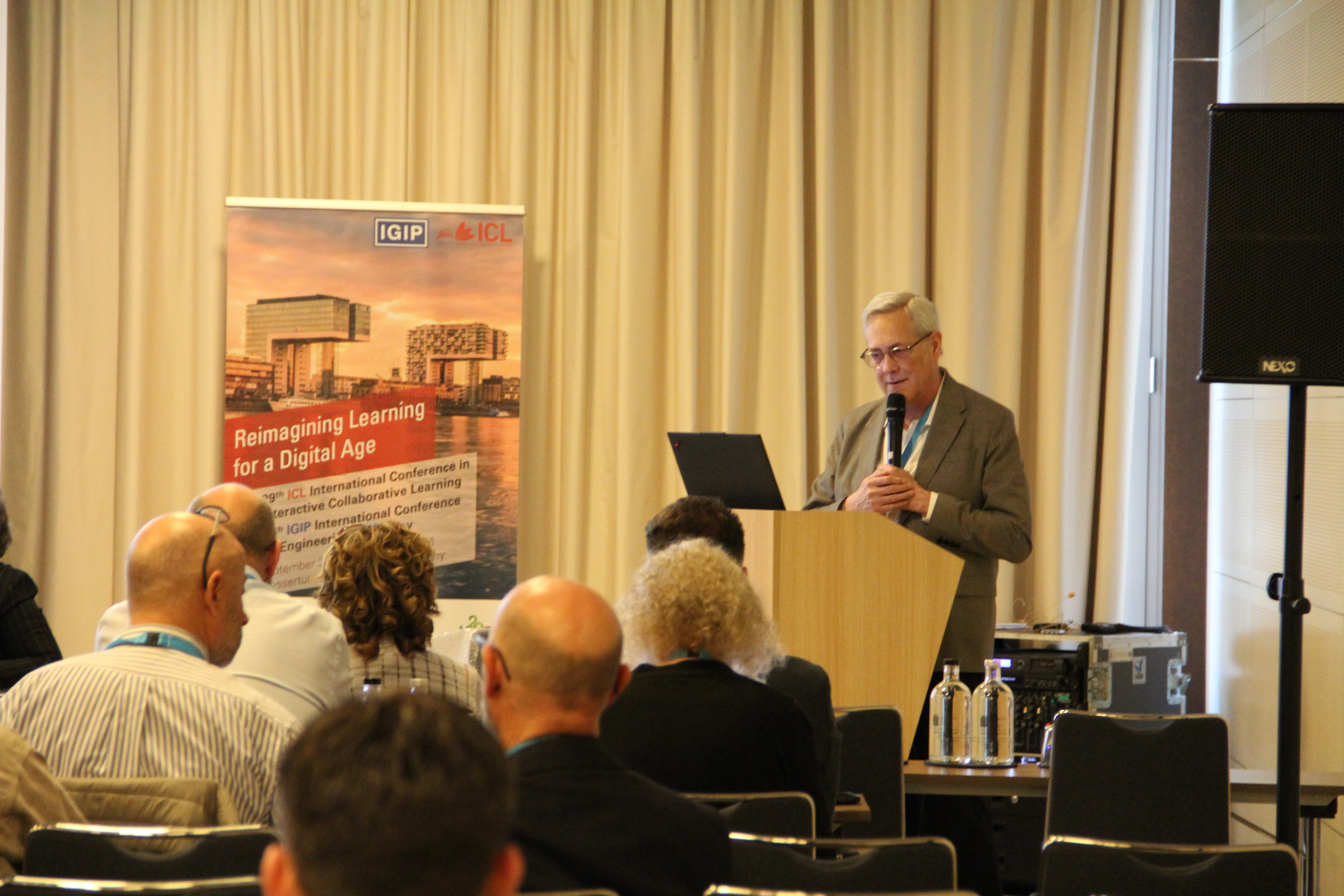
Seven internationally recognized speakers contributed keynote presentations, bringing different perspectives to the conference theme and encouraging participants to consider the wider implications of technological and educational change. Marlene Kanga opened the keynote program by examining how digital approaches to engineering education can help address global capacity gaps and expand access to engineering education, particularly for underrepresented groups and regions. Timothy Drysdale discussed how educational institutions can adapt to the digital age, drawing on historical perspectives and contemporary developments in remote laboratories. Michael K. J. Milligan approached sustainability as a fundamentally human challenge, emphasizing responsibility, collaboration, and the importance of partnerships in creating meaningful change. Klaus Peter Jantke explored the educational potential of time travel, storytelling, and interactive digital environments, while Maggi Savin-Badenchallenged participants to reconsider truth, academic integrity, and assessment in an era increasingly shaped by generative artificial intelligence. Xavier Fouger addressed the changing relationship between AI, virtual twins, and engineering practice, raising important questions about the knowledge and competencies future engineers will need. Finally, Francesc Xavier Giménez Font presented an approach combining active learning and artificial intelligence, demonstrating how AI can support deeper conceptual understanding when integrated into carefully designed learning activities. Together, the keynote presentations connected technological developments with questions of inclusion, sustainability, professional responsibility, educational transformation, and the future role of educators.
Celebrating Engineering Pedagogy and Recognizing Excellence
ICL & IGIP 2026 also provided an opportunity to celebrate 55 years of the International Society for Engineering Pedagogy (IGIP). A dedicated anniversary session brought together contributions addressing contemporary developments in engineering pedagogy, including digital competencies, learning environments, and the preparation of future engineering educators. The anniversary highlighted IGIP's longstanding commitment to advancing the quality of engineering education and supporting an international community of educators and researchers. Recognition of outstanding contributions was another important part of the conference. The awards program included the IGIP Awards, the Lueny Morell Award, and the International E-Learning Association Awards, celebrating achievements and contributions to engineering pedagogy and educational innovation. The conference concluded with the presentation of the ICL & IGIP Best Paper Awards, recognizing outstanding contributions in the categories of Student Paper, Special Session Paper, Short Paper, and Full Paper. These awards acknowledged the quality and diversity of the research presented throughout the conference.
A Memorable Conference Atmosphere in the Heart of Cologne
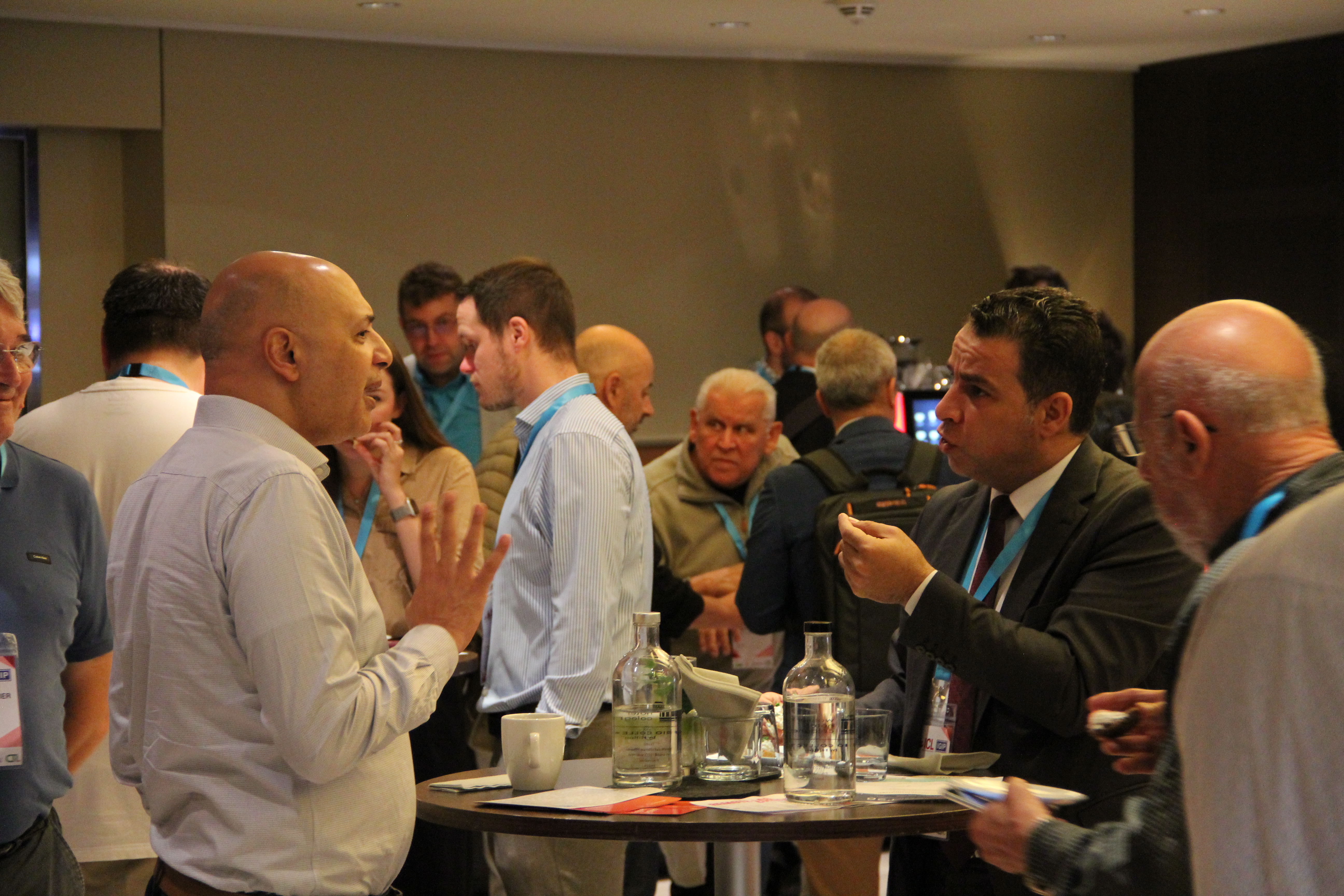
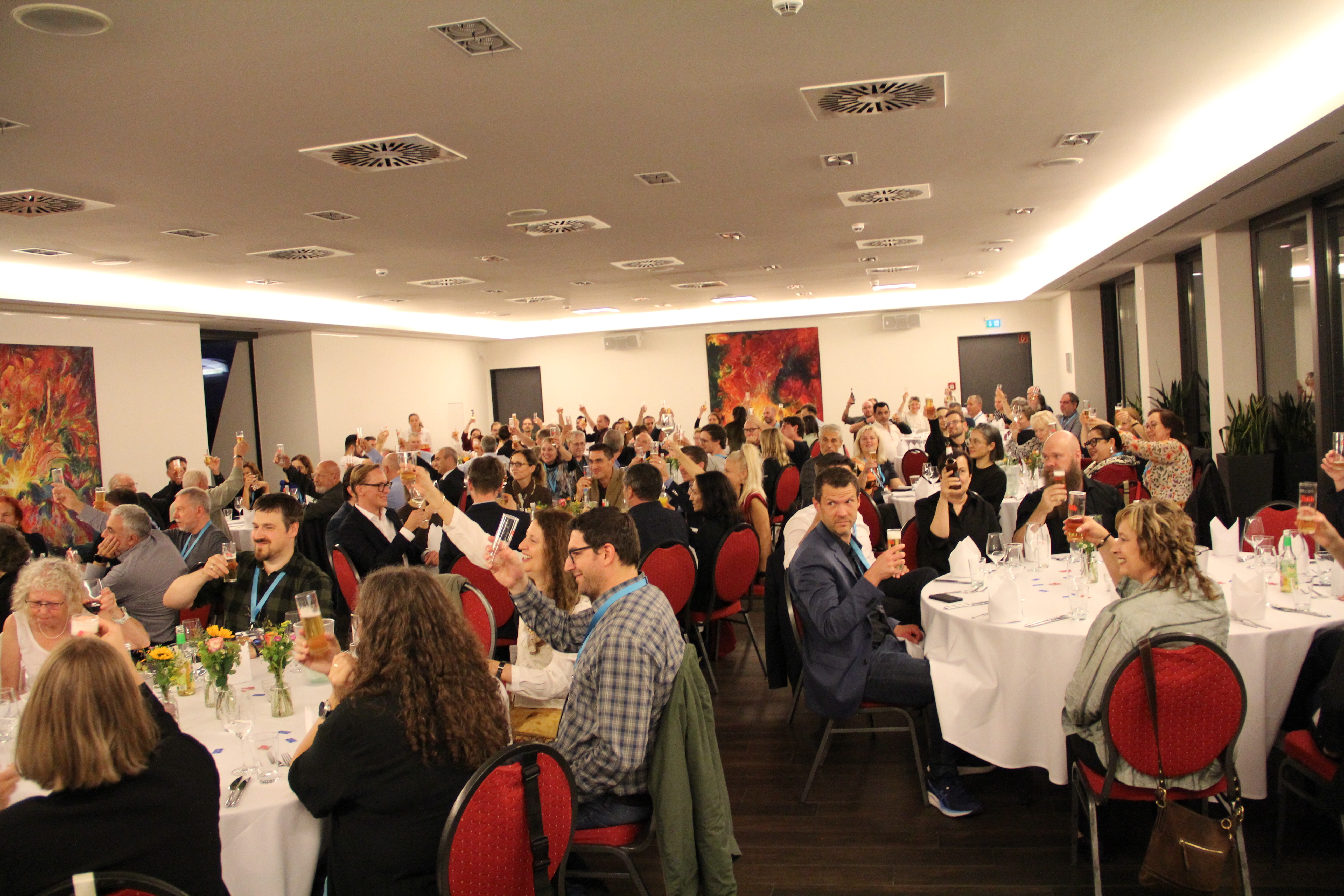
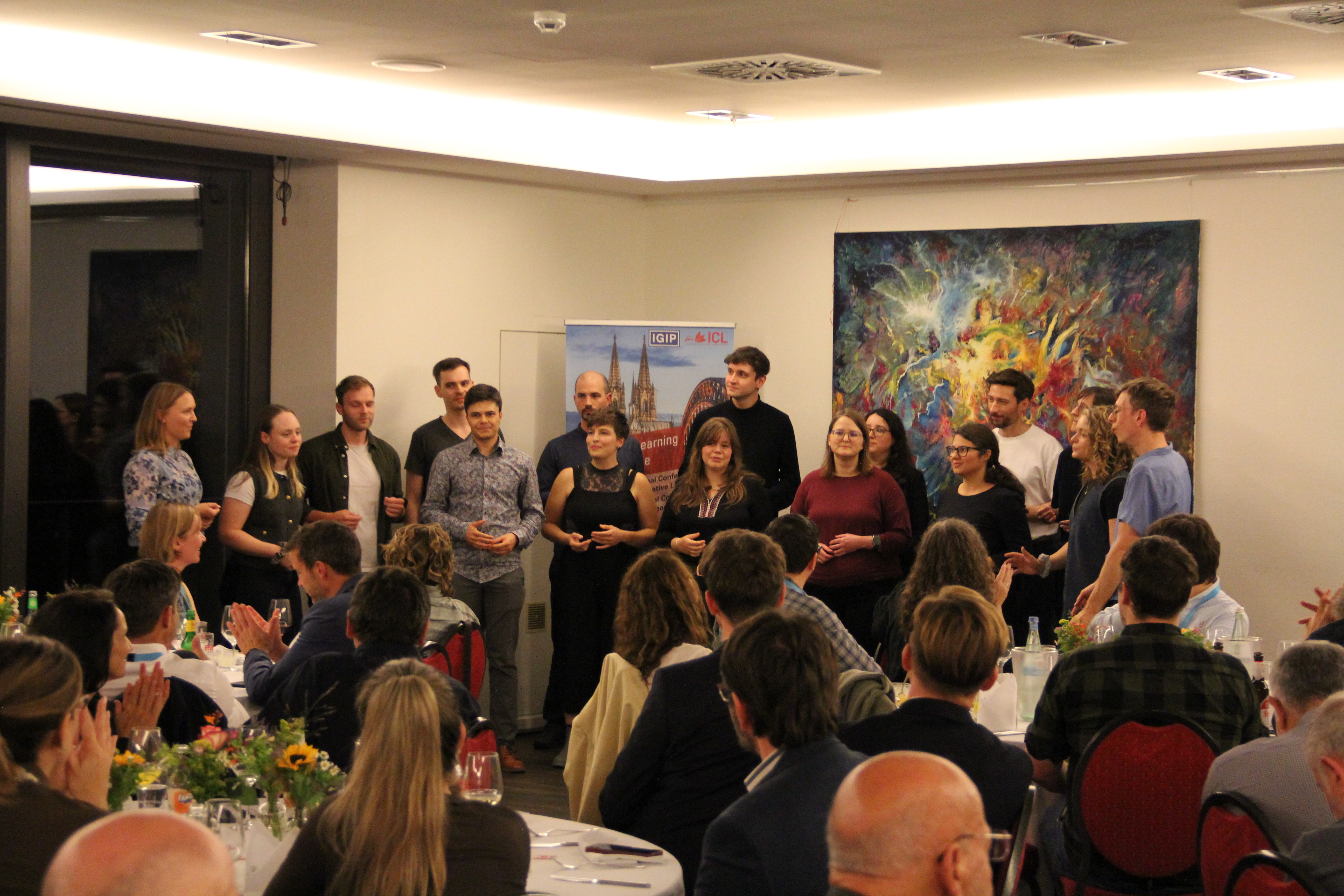
Beyond the scientific program, ICL & IGIP 2026 was characterized by an exceptionally positive and collegial atmosphere. The Wasserturm Hotel, with its distinctive architecture and welcoming conference spaces, provided a fantastic setting for three days of international exchange. Participants made extensive use of the opportunities to meet, discuss ideas, and spend time together. Conversations continued well beyond the formal sessions, whether during coffee breaks, informal gatherings, or the conference's social activities. The lively interactions and willingness to engage with colleagues from different countries and disciplinary backgrounds contributed significantly to the success of the event. A particular social highlight was the Conference Dinner, which brought participants together for an evening of conversation, networking, and celebration. The evening was made especially memorable by a performance from the University Choir of TH Köln – University of Applied Sciences, adding a wonderful musical and cultural contribution to the conference experience. These personal encounters are an essential part of the ICL & IGIP conference tradition. While digital communication and online participation provide important opportunities for international collaboration, spending several days together creates space for conversations, new connections, and ideas that often extend well beyond the conference itself.
A Joint Effort Made Possible by an International Community
The successful realization of ICL & IGIP 2026 was the result of the dedication and collaboration of many individuals and institutions. Under the leadership of ICL General Chair Michael E. Auer (CTI, Frankfurt/Main), the conference was chaired by Tiia Rüütmann (IGIP President, Tallinn Technical University), Anja Richert and Valérie Varney (TH Köln – University of Applied Sciences), and Dominik May (University of Wuppertal). Together with the international conference committees and the local organizing team, they helped bring the international engineering education community to Cologne. Special appreciation goes to the international program committee, the more than 240 reviewers, session chairs, keynote speakers, special-session organizers, and the many volunteers and supporters whose contributions made the conference possible. The commitment of the conference's partners and sponsors also played an important role in supporting the event. Most importantly, the organizers extend their sincere thanks to all authors and participants for their scientific contributions, active engagement, and the open and friendly atmosphere throughout the conference. The enthusiasm with which participants exchanged ideas, discussed research, and connected with one another was among the most rewarding aspects of the three days in Cologne. As ICL & IGIP 2026 comes to a close, the discussions, connections, and ideas developed during the conference will continue to contribute to the international engineering education community. We look forward to building on this momentum and welcoming colleagues again at ICL & IGIP 2027 in Greece.
Thank you to everyone who made ICL & IGIP 2026 in Cologne such a memorable event!
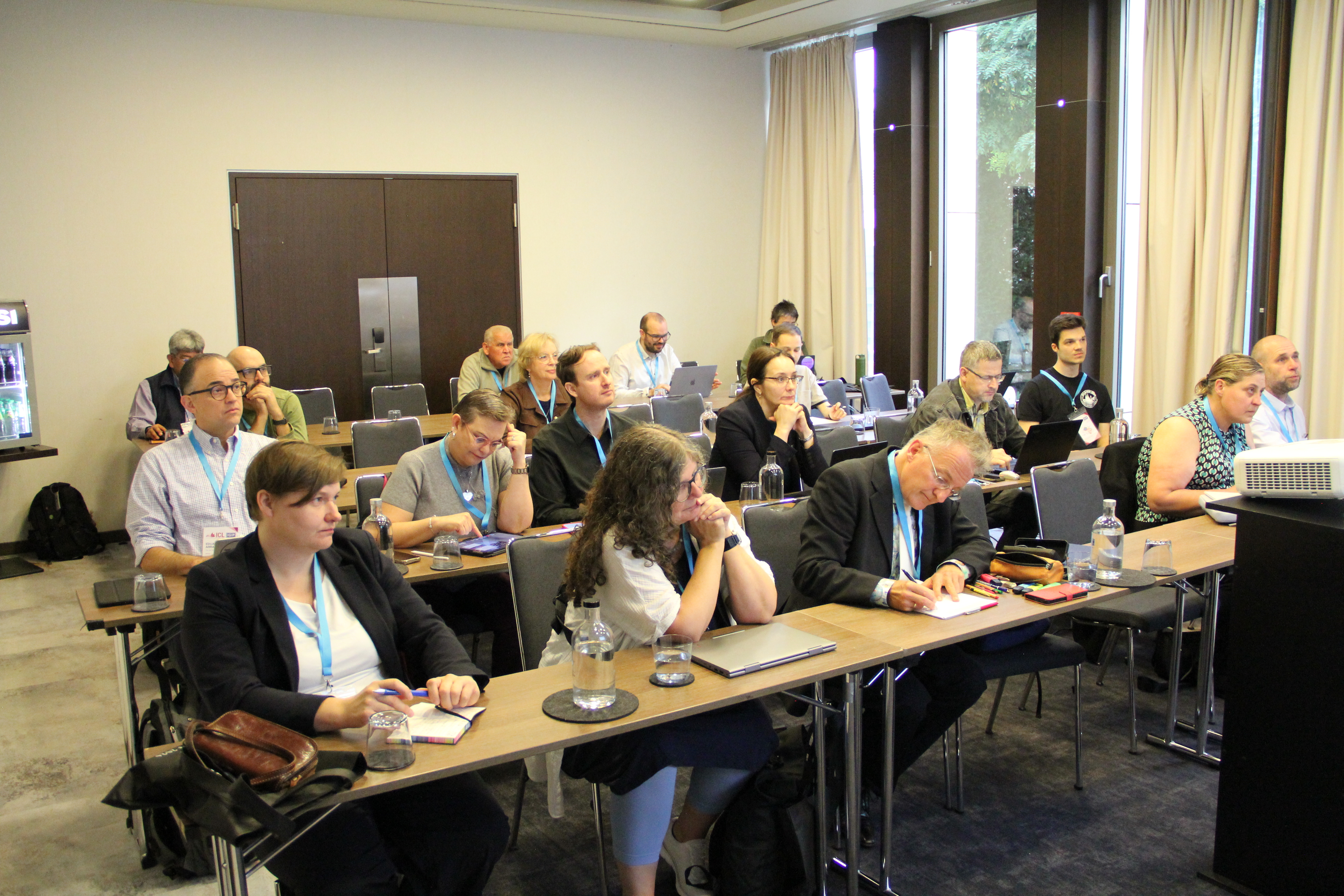
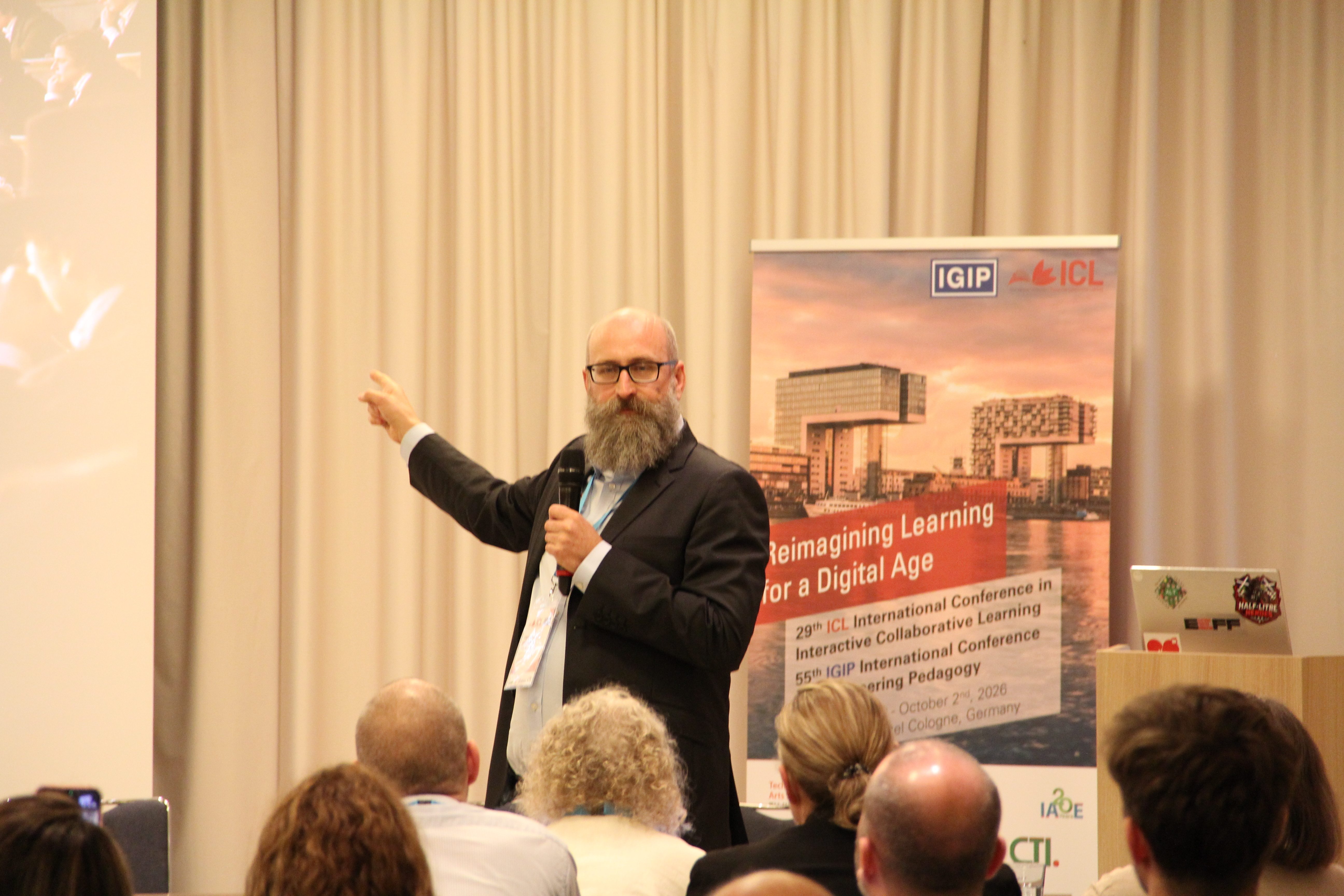
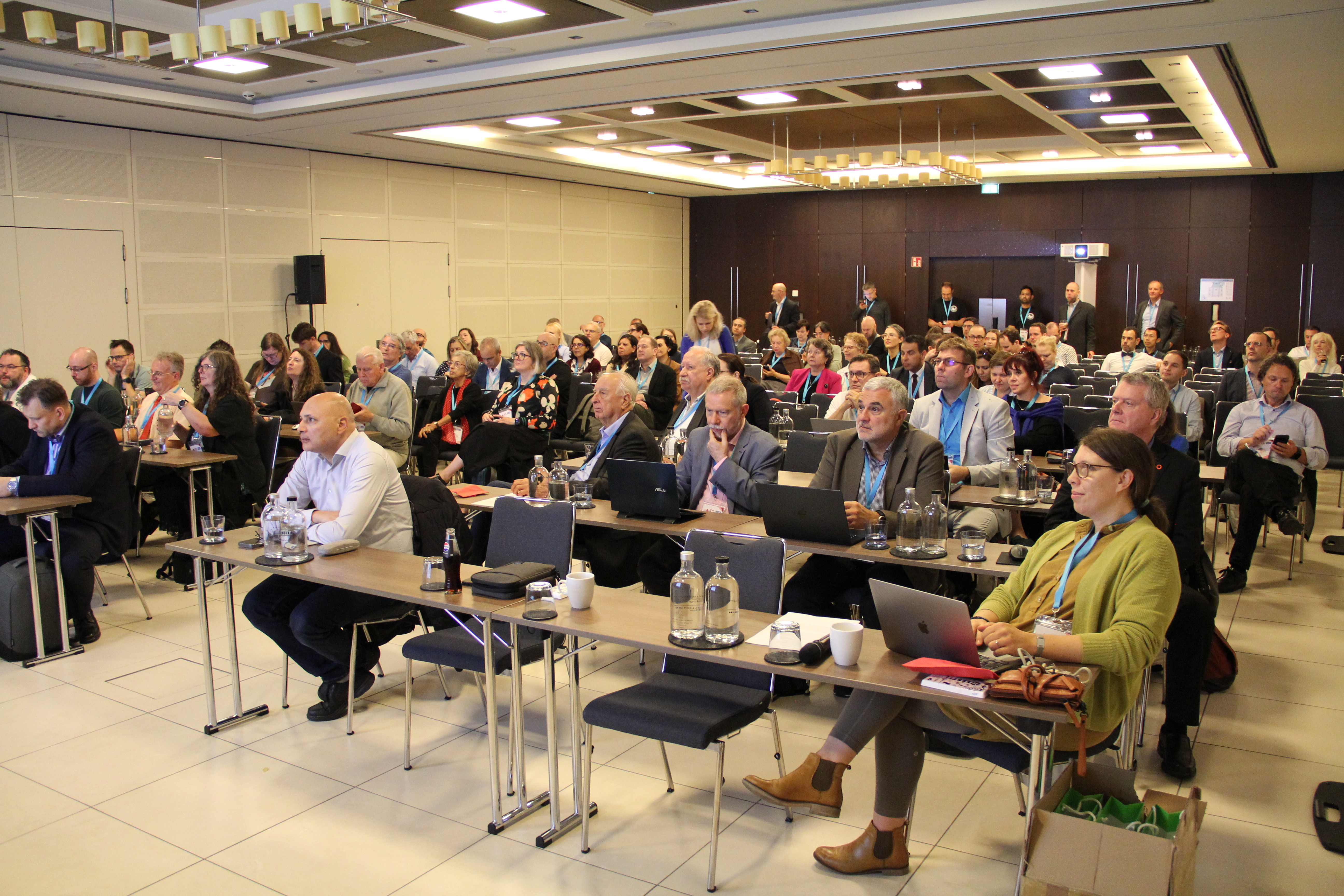
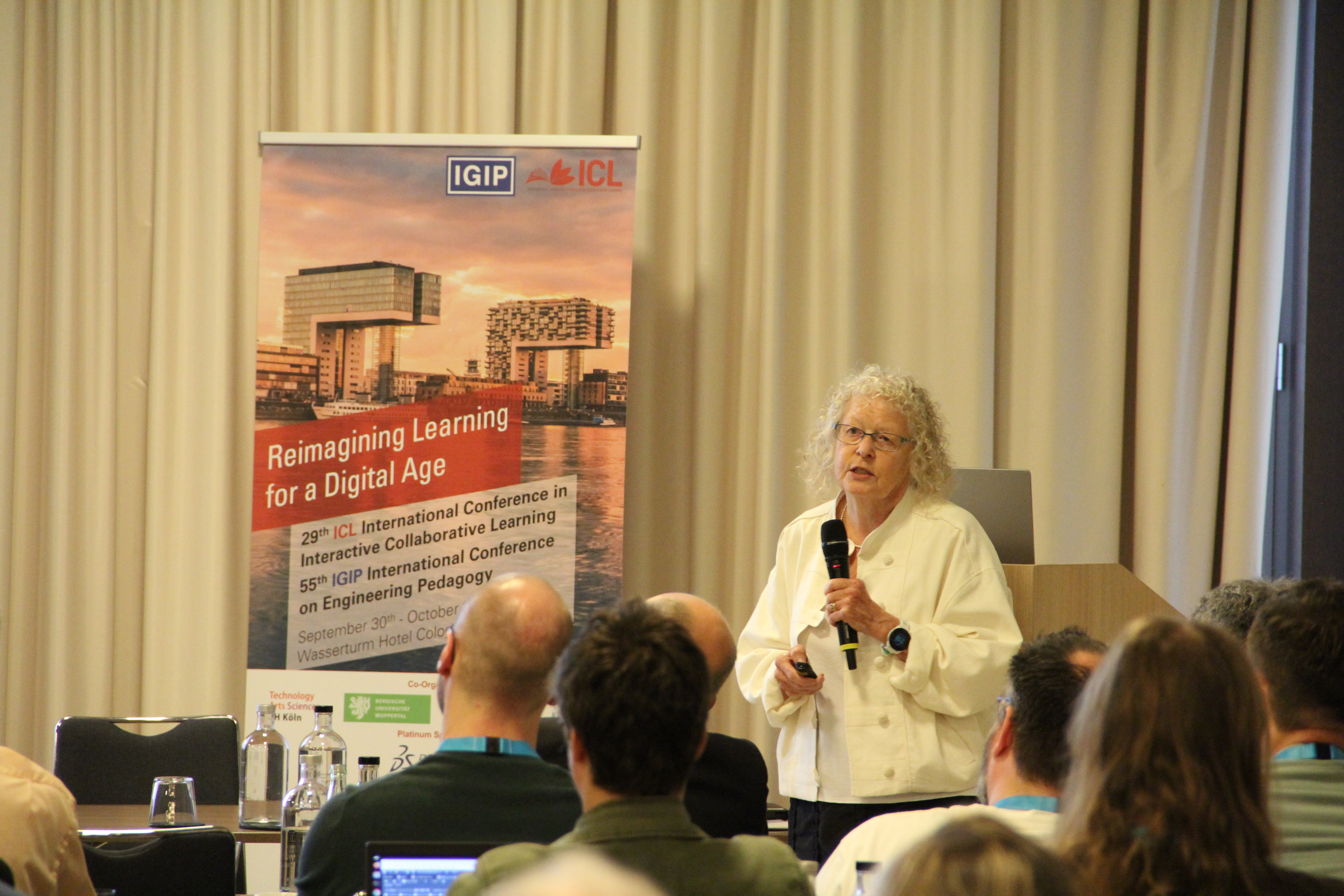
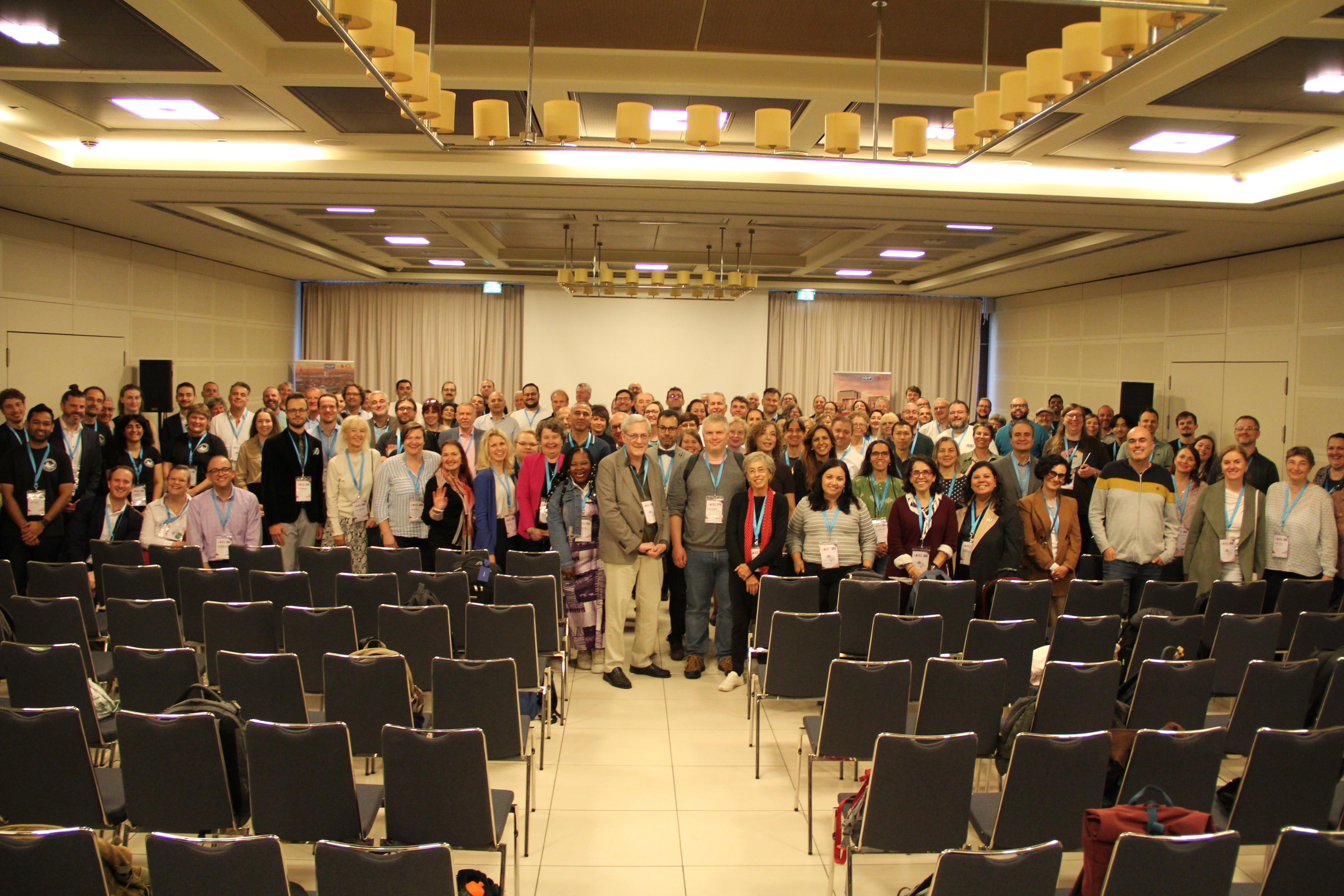
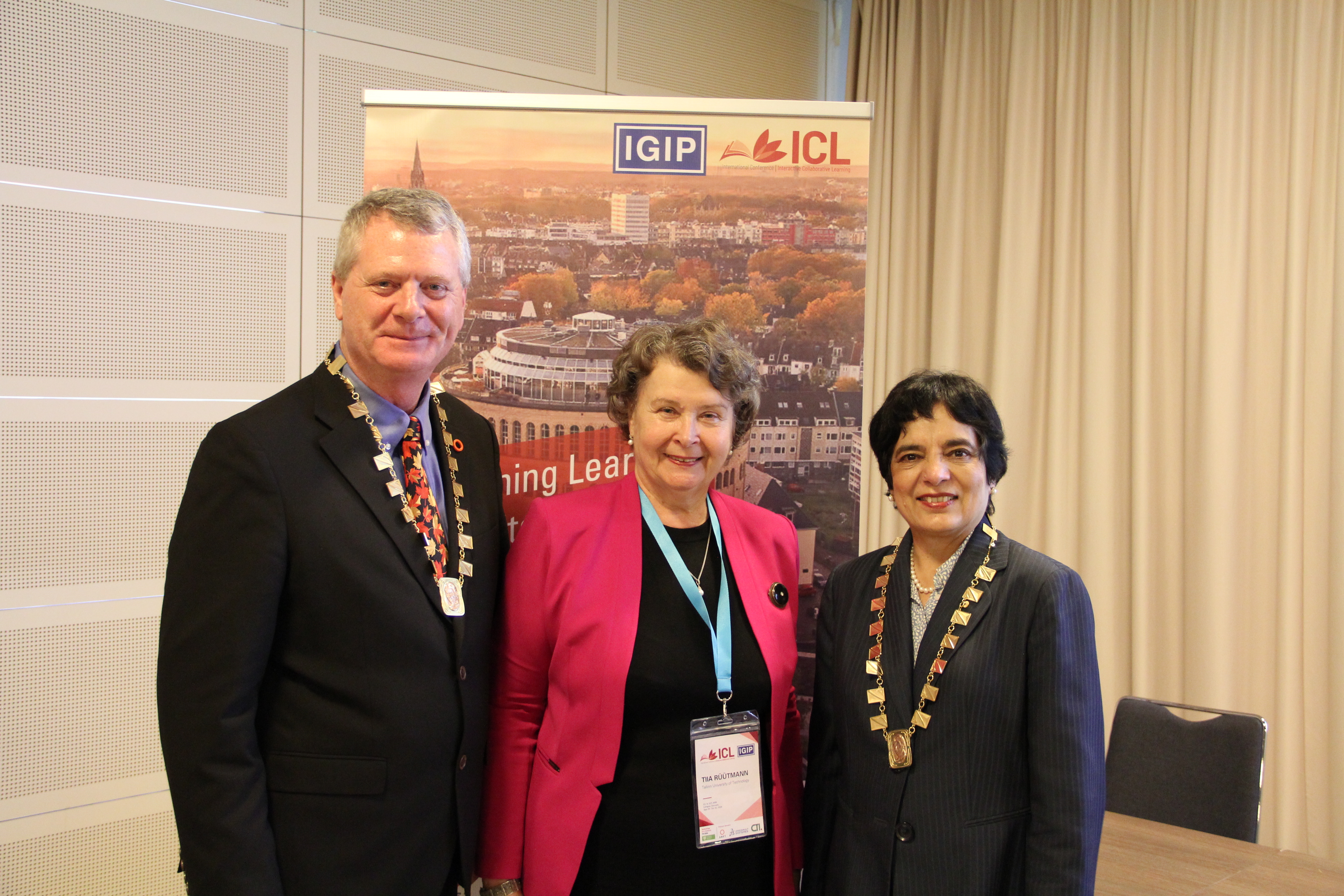
Impressions from ICL & IGIP 2026 (photographer: Karsten Schmidtseifer):
 .
 . .
 .
 .
 .
 .
 .
 .
 .